AMAZON
Supporting delivery drivers with AR
Team
3 Designers
2 UX researchers
1 Engineer
1 SDE Intern
Toolkit
Figma
Sketch
Adobe Suite (Ps, Ae, Pr)
Context
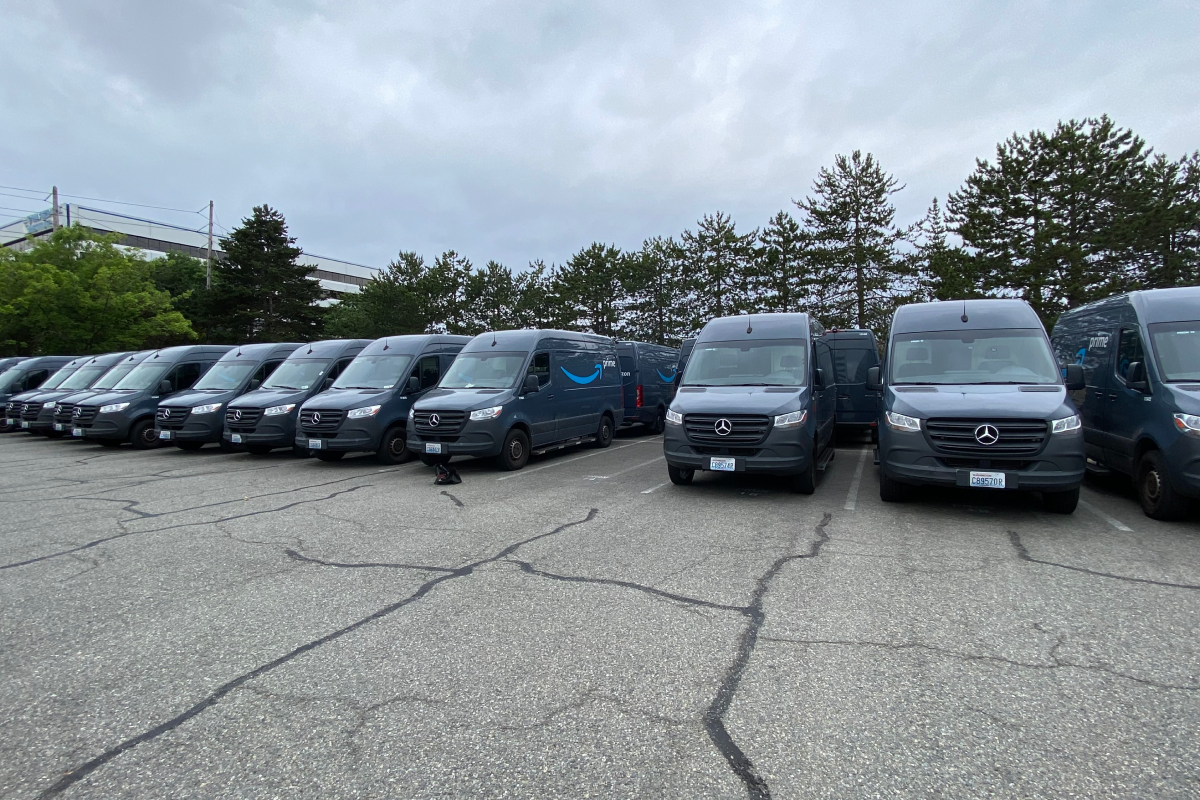
Amazon delivery drivers manually inspect their car twice a day to ensure that it's safe to drive. Inspection plays a critical role as an unsafe vehicle means an unsafe journey. It also ensures that packages are being delivered in a safe manner.
My role
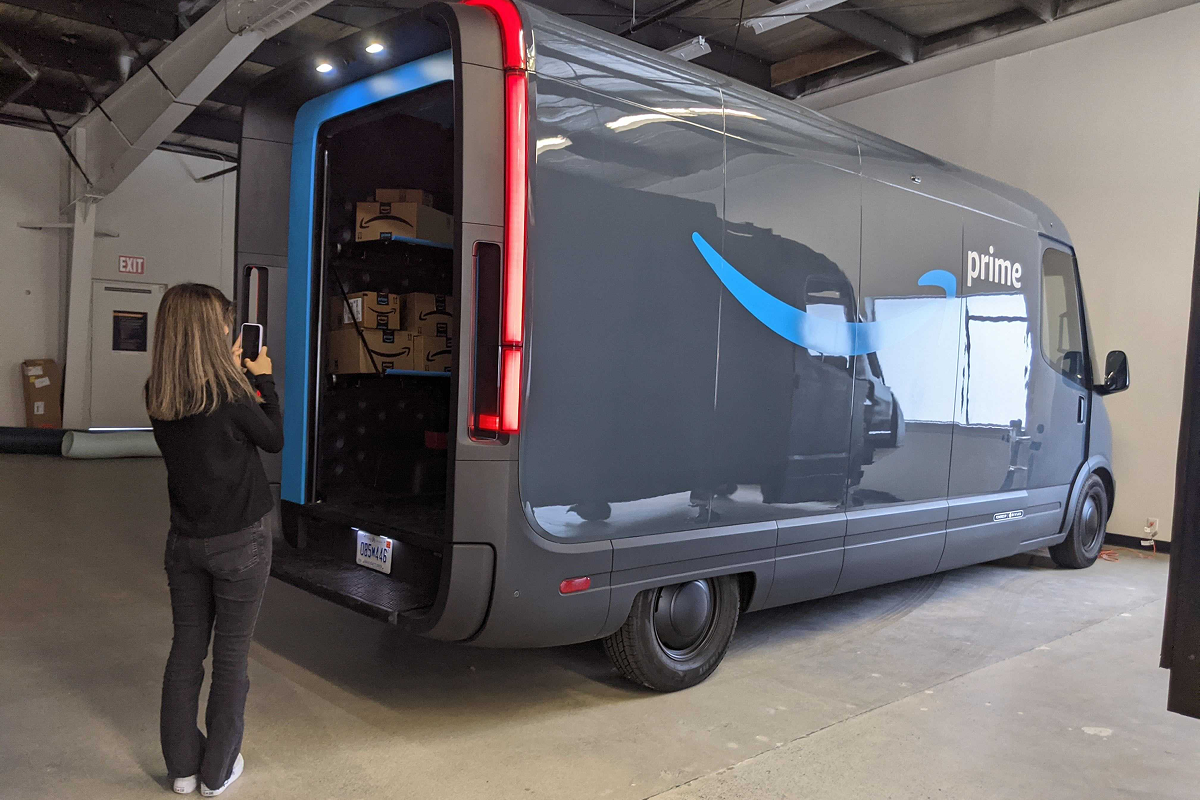
I was tasked to redesign and translate vehicle inspection into augmented reality (AR).
THE CHALLENGE
Vehicle inspection is a process that is inefficient, manual, andprone to human error.
To better understand the problem space I was solving for, I conducted different research methods to empathize with delivery drivers.
On field research
I visited an Amazon Delivery Station and shadowed a delivery driver. Here, I experienced how fast paced the environment was.
Storyboarding
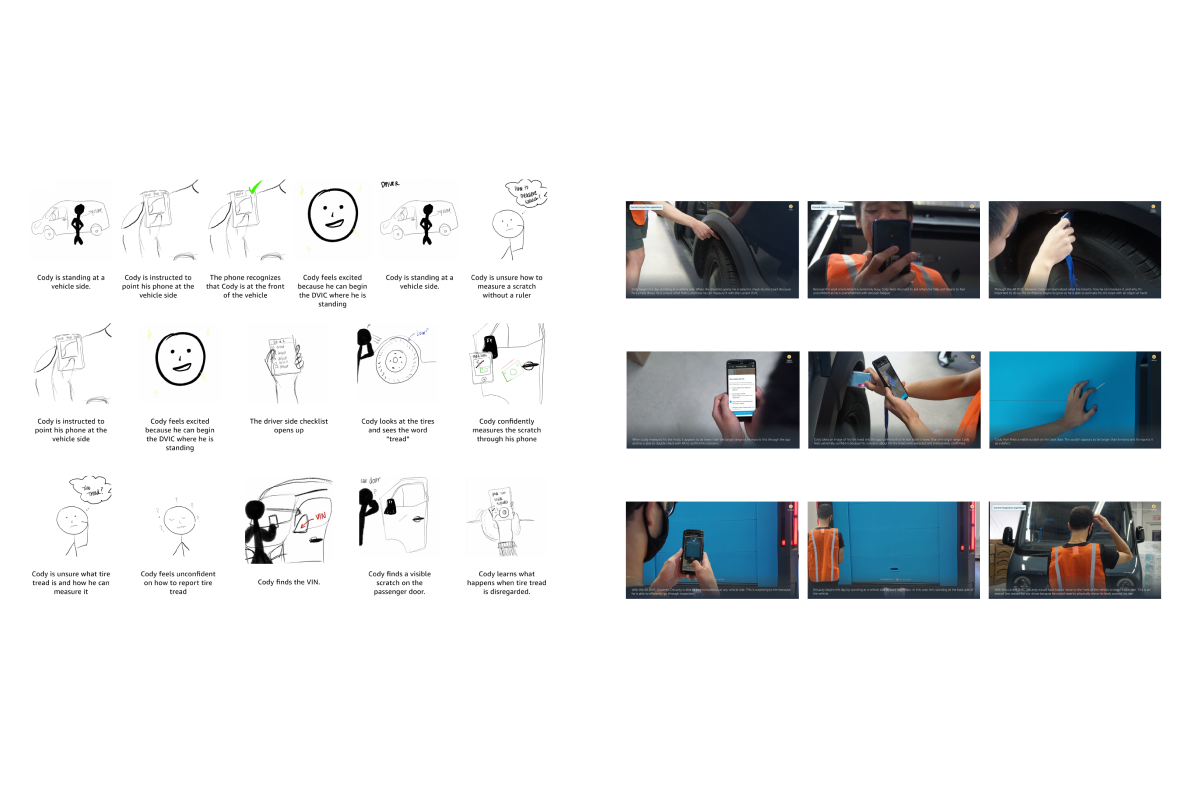
I created storyboards to understand the emotions that drivers experience and to visually illustrate the problem to non-designers.
Bodystorming exercise
I role played inspecting a delivery vehicle. I learned that there are tedious and manual movements around the van.
User personas
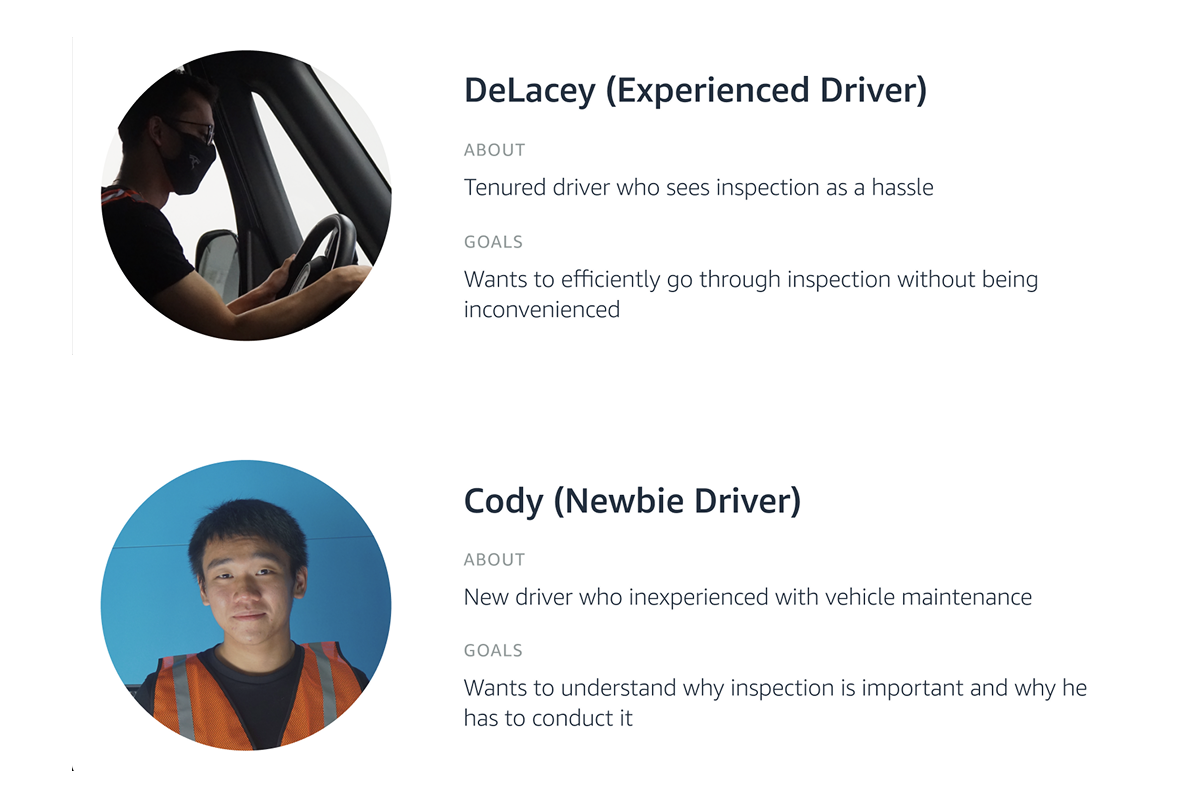
I created user personas to shape my design strategy from a user standpoint.
Design question
Based on what I uncovered from my team's past research as well as my own research:
How might we guide drivers through inspection efficiently and accurately using AR?
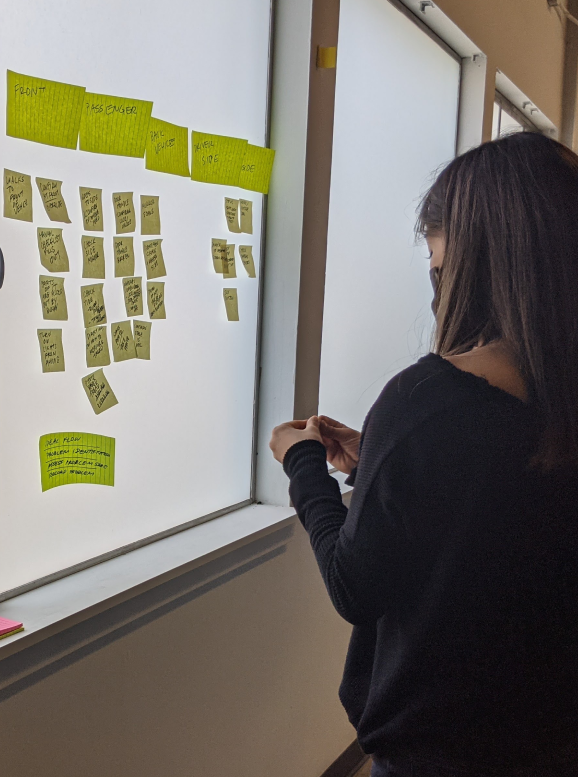
Low fidelity wireframes
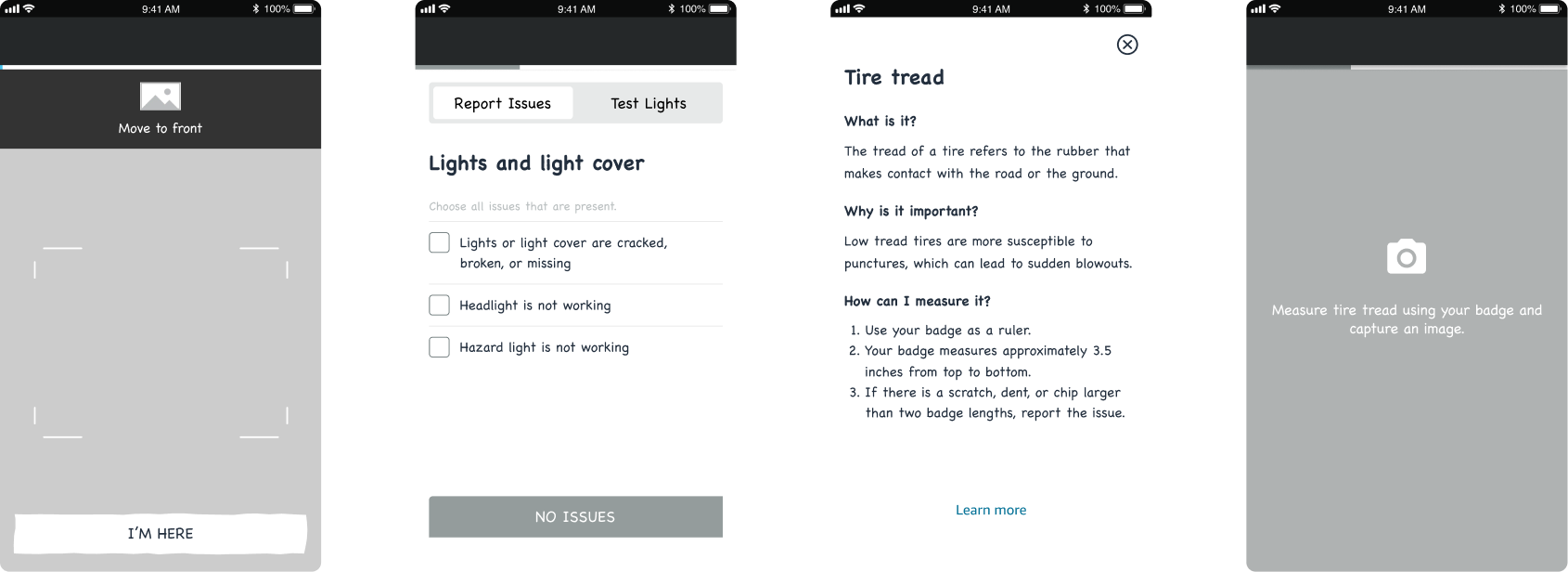
After posing a design question, I created low-fidelity wireframes where I turned user insights into visual aids to get the whole team out of the conceptual phase faster.
Medium fidelity wireframes
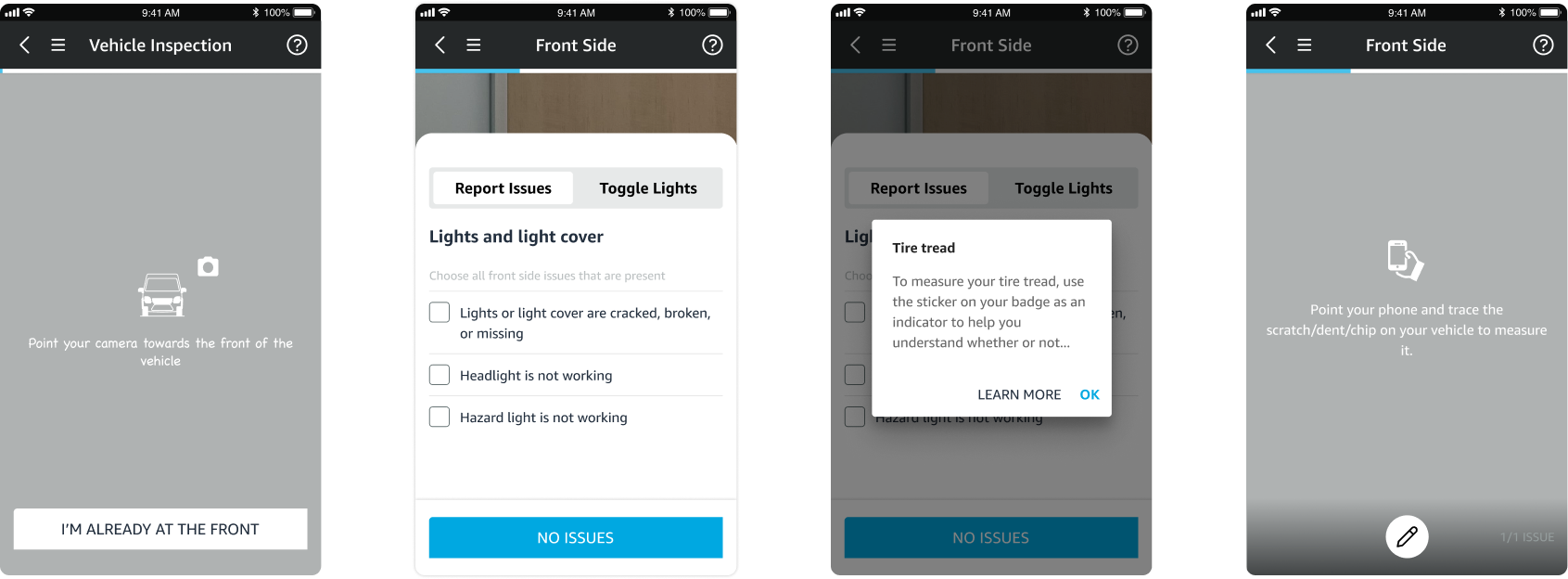
From these concepts, I presented my designs to engineering to receive further clarity on the technical feasibility of my designs.
High fidelity screens
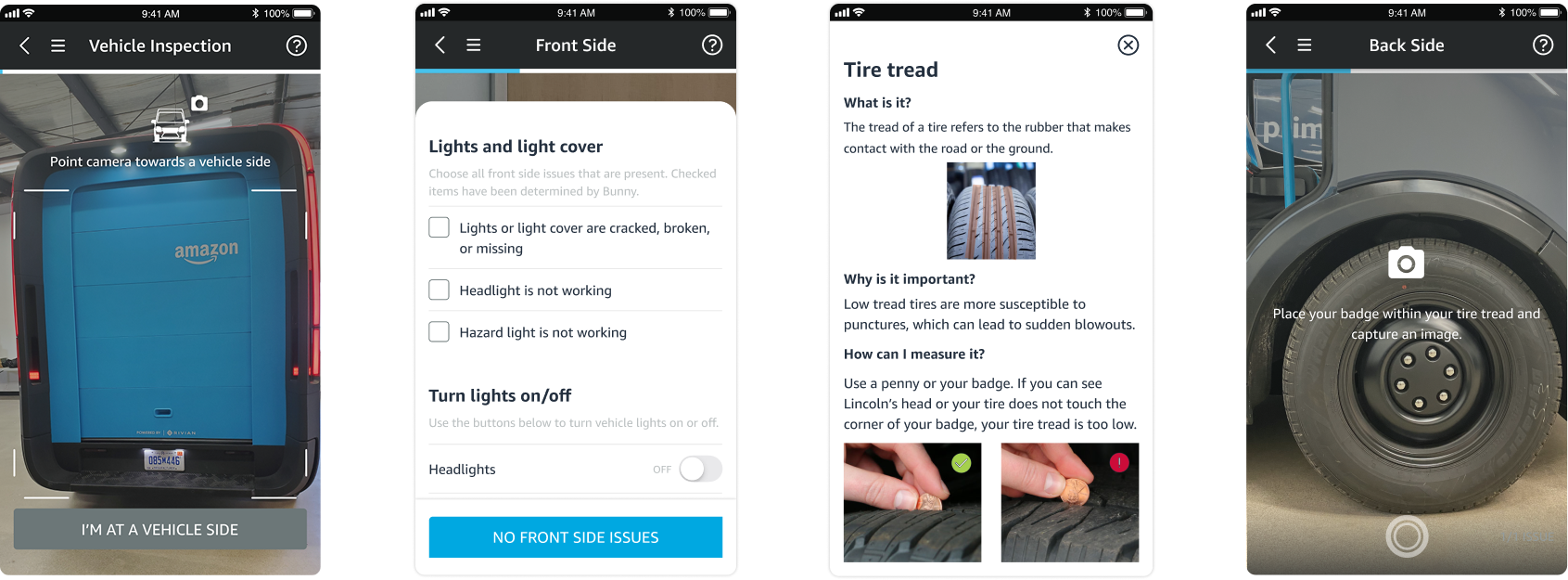
These designs communicated the functionality and usability of the designs and was a close simulation of what a driver would interact with.
Building a prototype with engineers
Design document
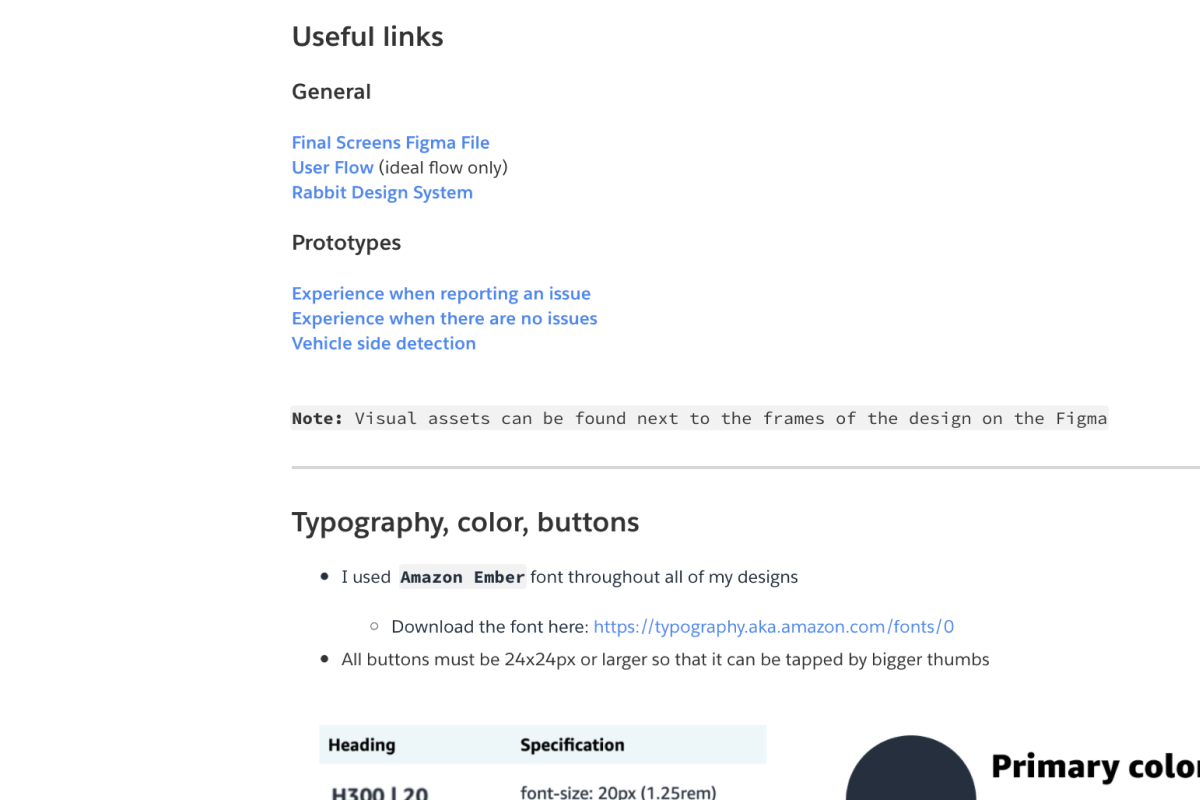
I was very lucky to work with an engineer who built a basic prototype of my designs – in order to give the intent and construction of what to build, I delivered a design document.
Usability testing constraints
After a prototype of my designs were built, I wanted to validate my solutions.
🕙
Unfortunately, I was unable to test with real delivery drivers due to scheduling and timing constraints.
Pivoting my research strategy
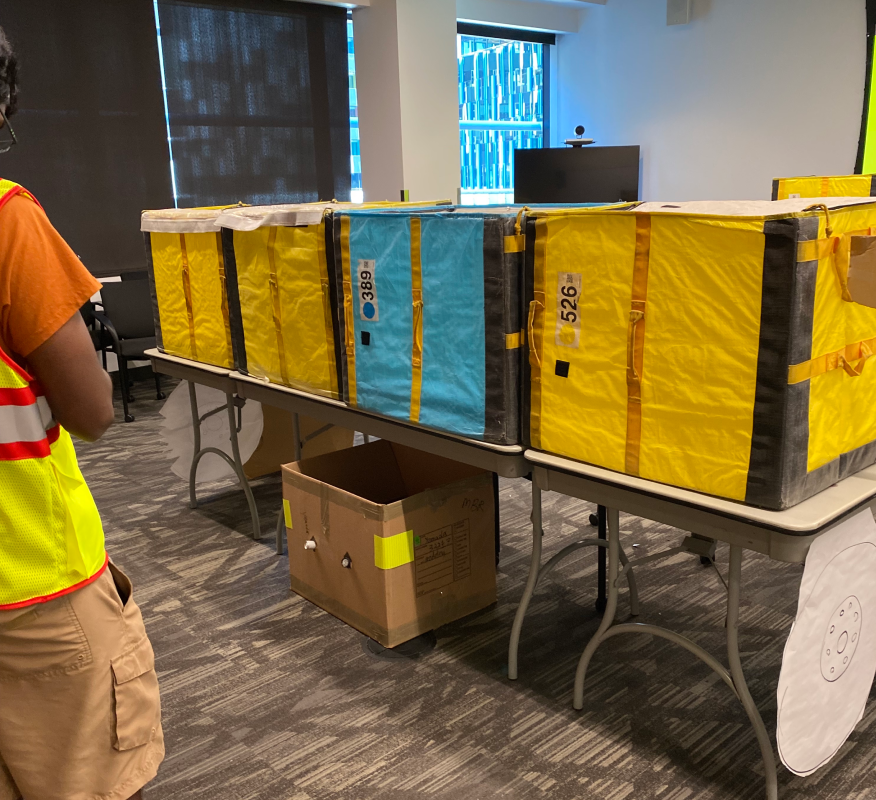
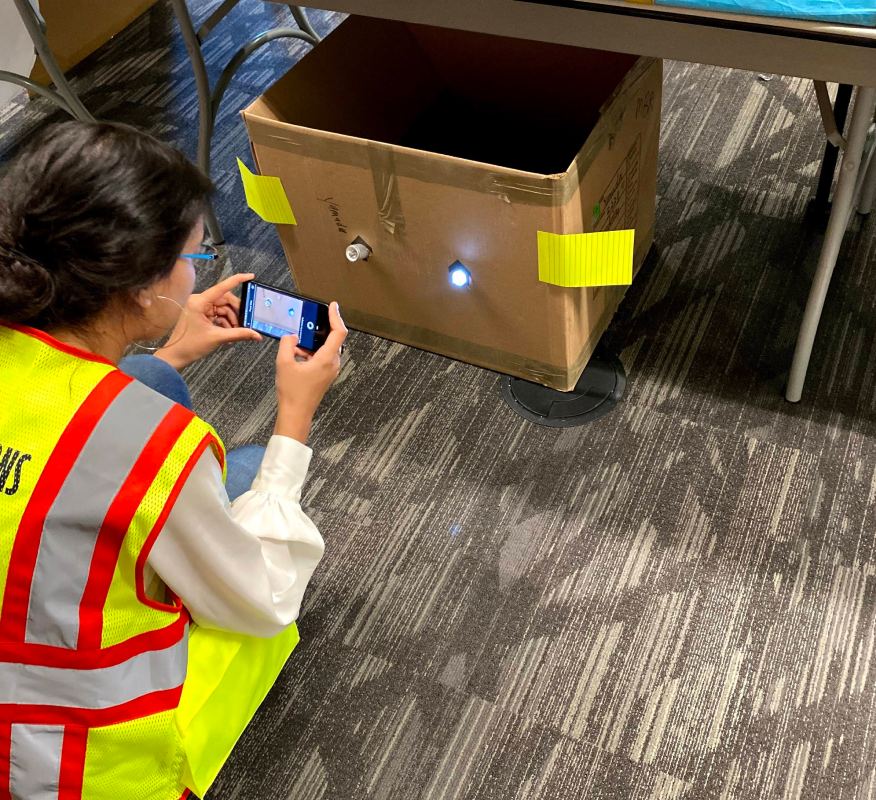
In order to still conduct usability testing sessions, I pivoted my research strategy and asked Amazon interns to role play as delivery drivers. I also built a makeshift vehicle out of cardboard boxes, flash lights, and tables to emulate the size of a real van.
Amazon interns and the makeshift delivery vehicle
The reimagined experience
Here are three areas of opportunity that improve vehicle inspection with AR.
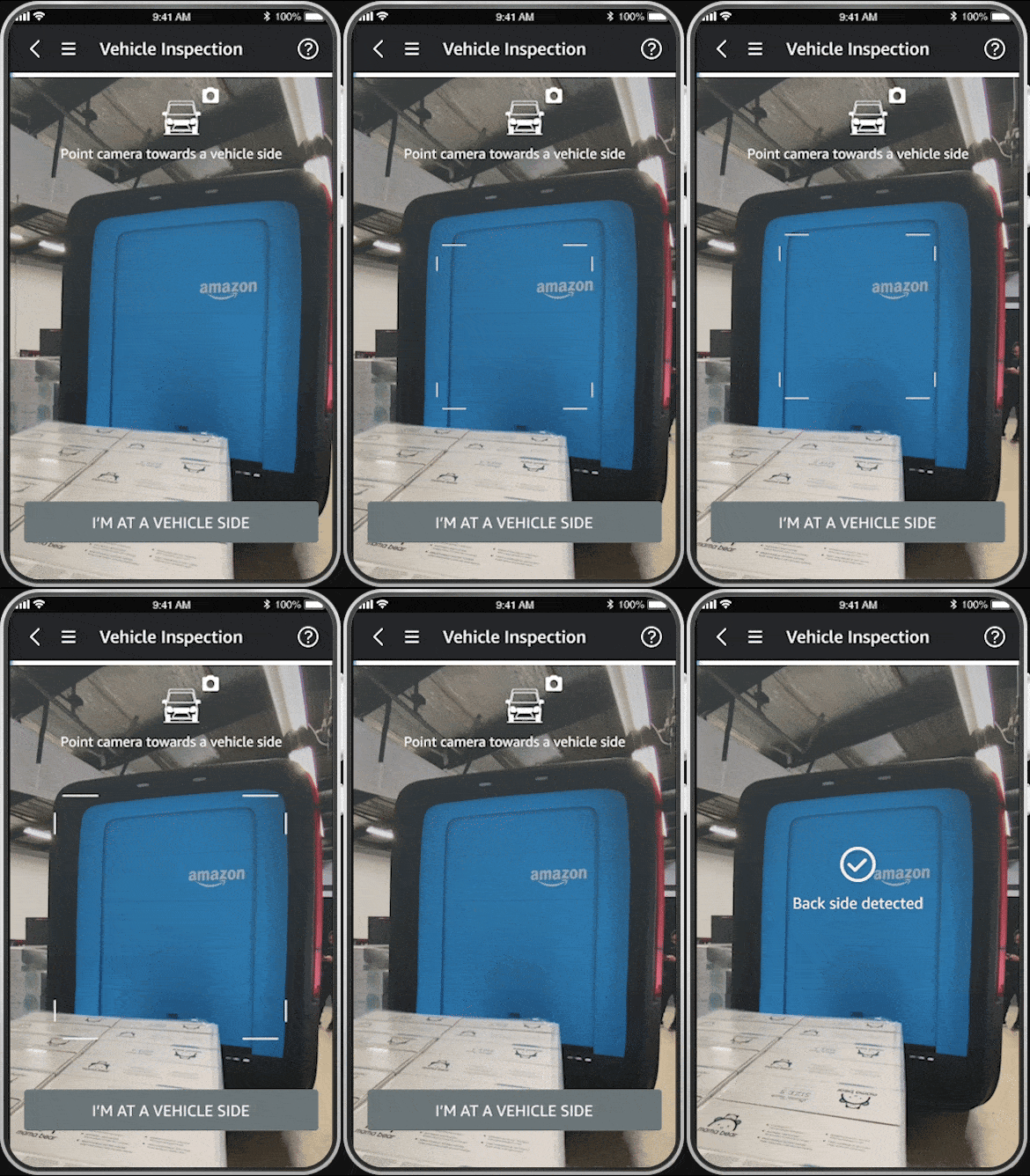
Vehicle side detection
Drivers can start their day right where they are standing.
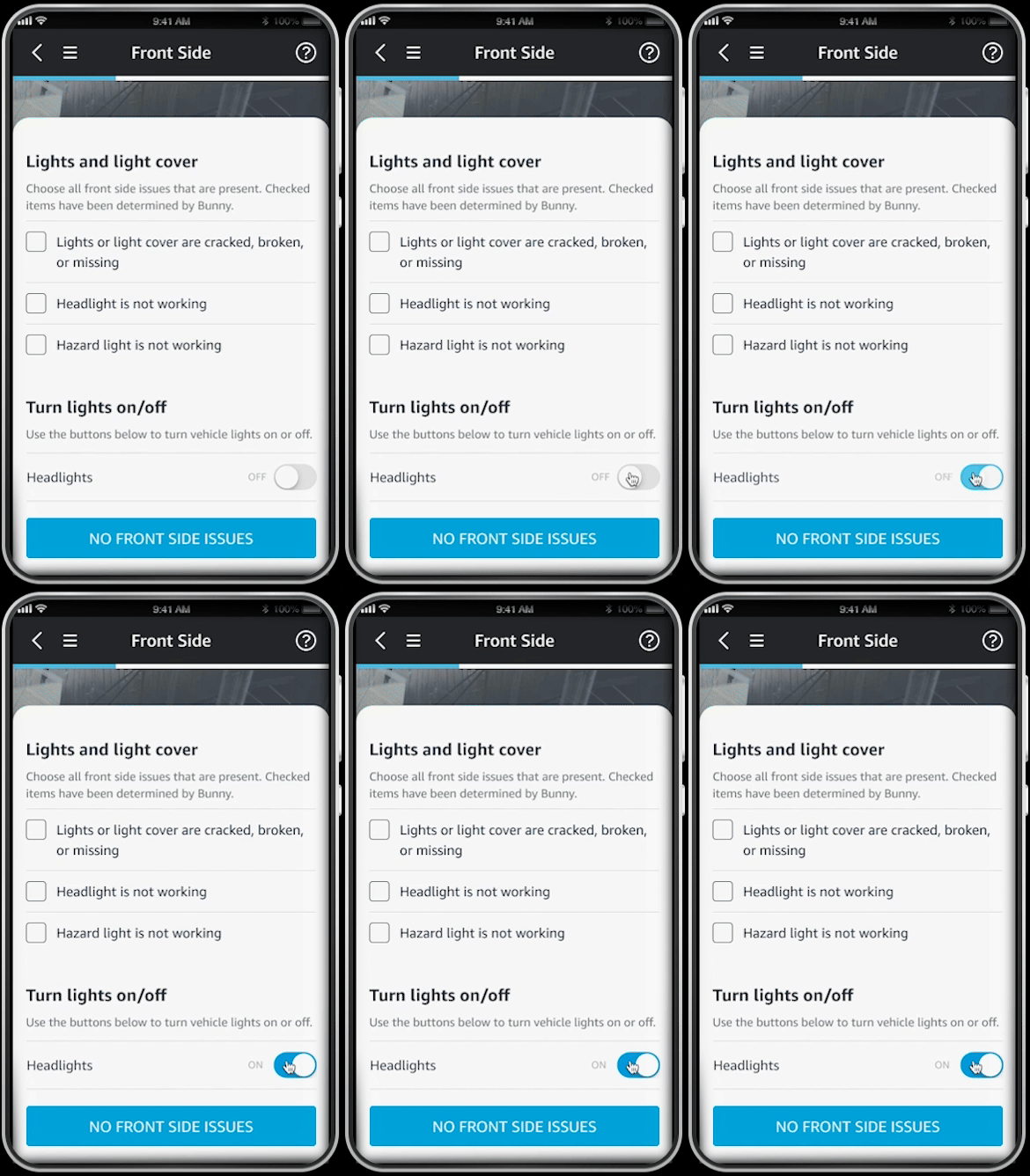
Remote light control
Drivers can click a single button on their phone to turn their headlights on.
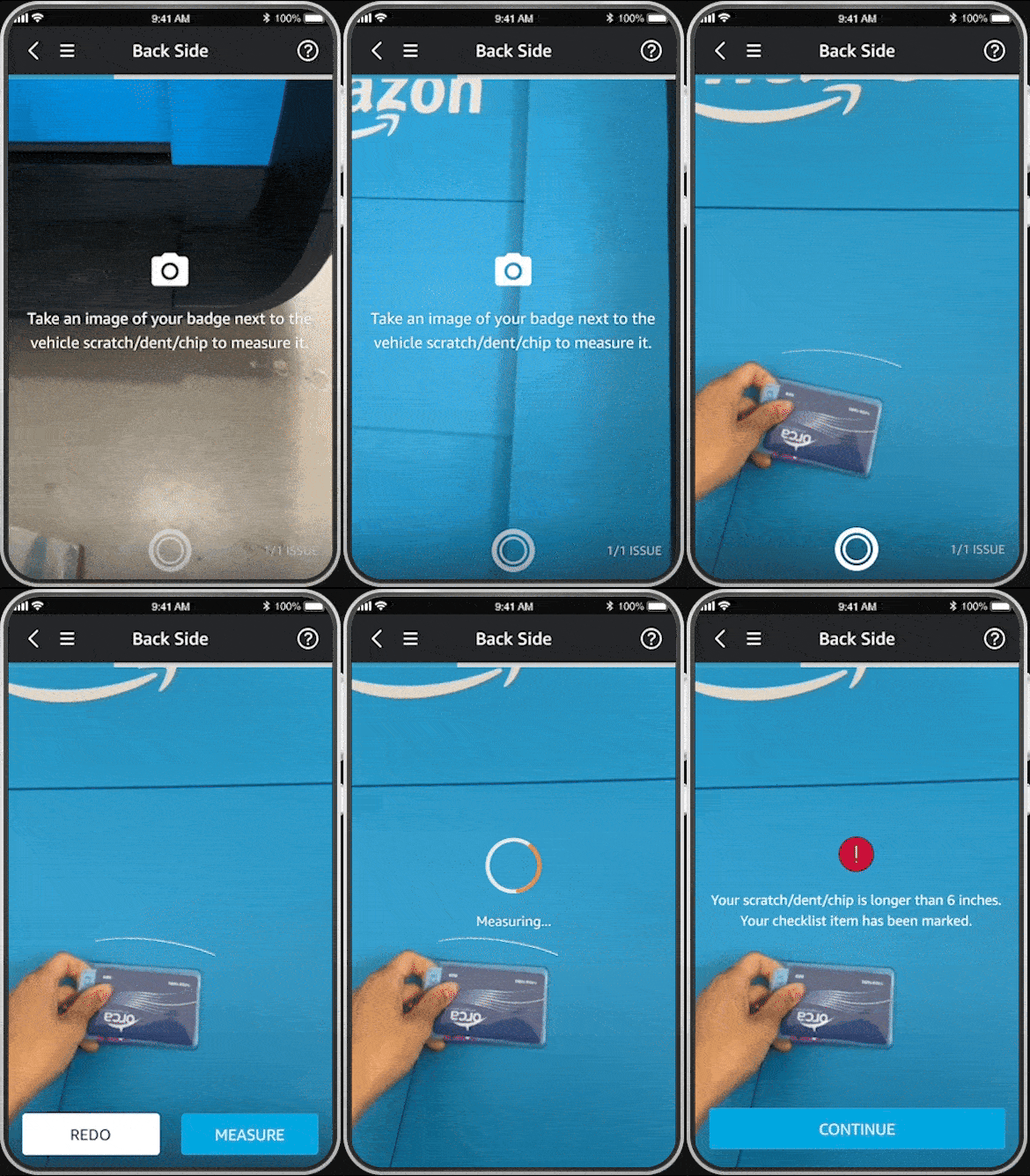
Augmented reality measure
Increase confidence of delivery drivers reporting effects and the accuracy of inspection reports.
Big thank-you to my manager, mentors, and fellow interns for making my first internship memorable.
I grew confident in my presentation skills, I learned that I'm research driven in my ideation process, and I was encouraged to constantly seek new perspectives – I am so incredibly grateful to have worked with the Last Mile team!