META REALITY LABS
AR software design
Team
PM, engineers, UXR, data scientists
Toolkit
Figma
Adobe Suite (Ae, Pr)
Context
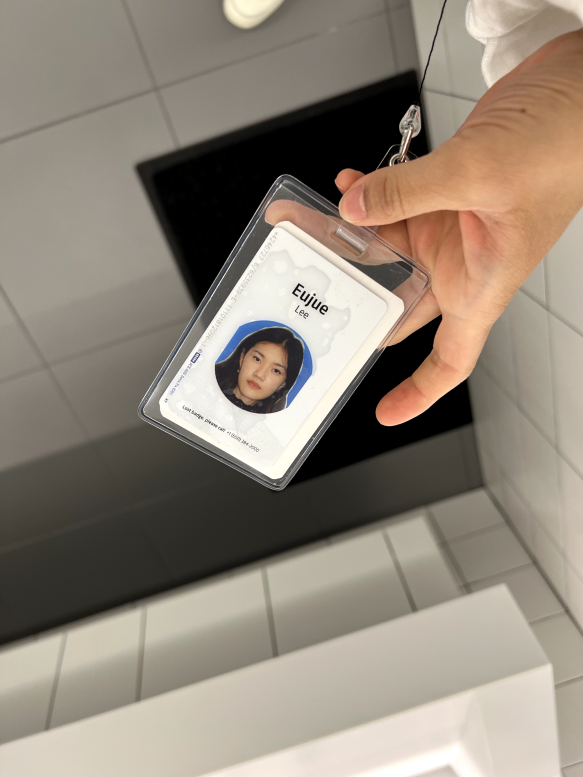
Summer of 2022, I was an AR Product Design Intern at Meta Reality Labs where I worked on an AR wearable.
My role
I was tasked to design group video calling on the device, a feature that would roll out with the new hardware release within the next two years.
THE CHALLENGE
Design group video calling for the AR wearable's upcoming hardware release.
Assumptions
Due to the ambiguity of the hardware release date, I worked with UX researchers and data scientists to set guard rails for my internship project. Here are some assumptions I followed throughout my project:
Group calls of up to 4 people will be supported
Internal studies from other Meta platforms showed that people had up to four people in a group video call.
Group calls will be <5 min
I worked with researchers and data scientists to determine an average call length for the AR wearable.
Group calls will be made with close ties
Internal studies showed that people typically also video called close ties, including family and friends.
Audits
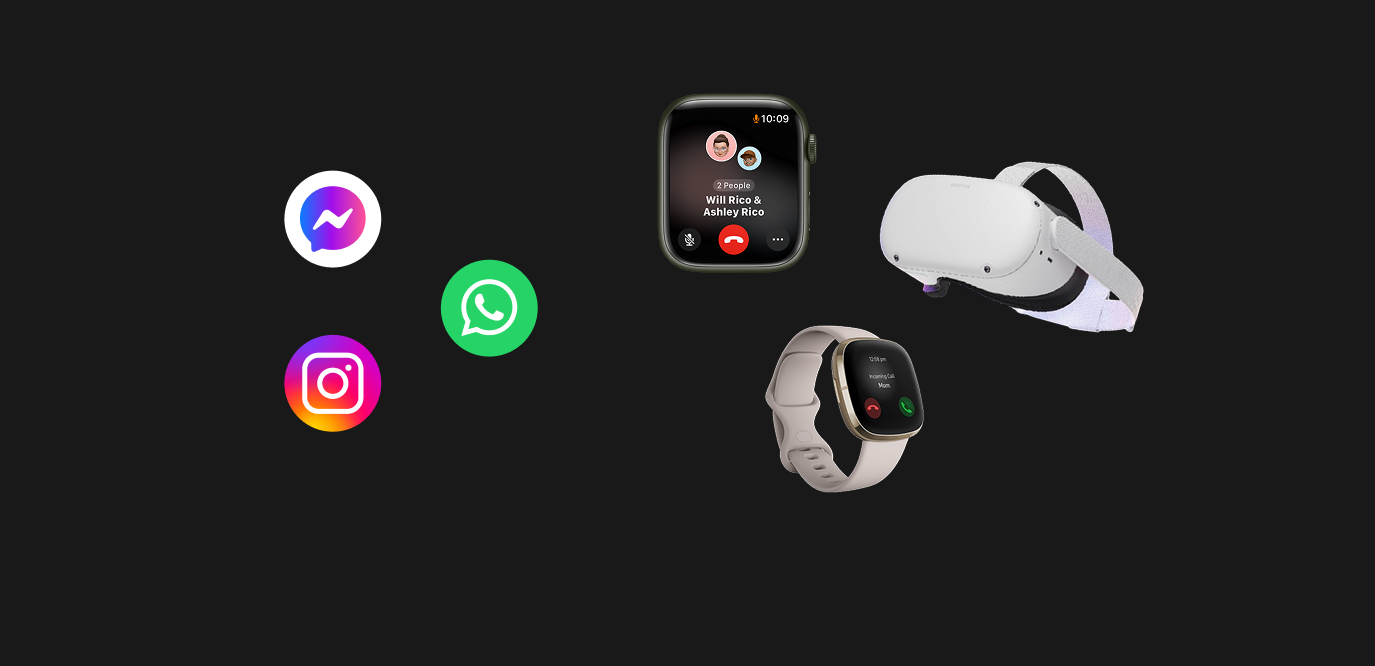
After laying out assumptions, I conducted audits of the existing interface, Meta's family of apps, as well as other wearables in the market to better acclimate to the hardware and design system, to understand the group calling landscape at Meta, and consider screen size & environmental factors in my designs.
Grid explorations
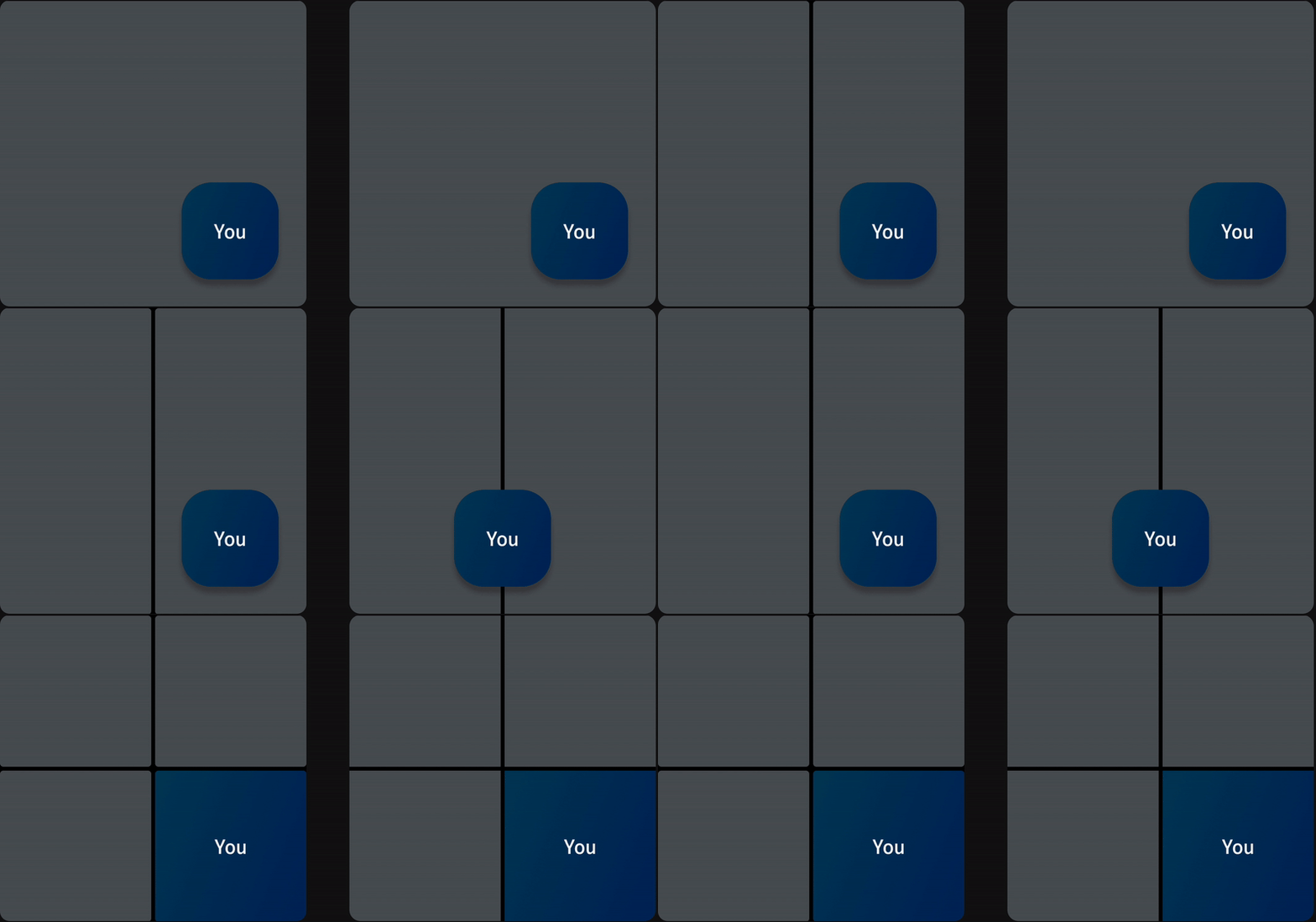
I made various iterations on what the group calling grid would look like for 1:1 calls, 1:2 calls, and 1:3 calls.
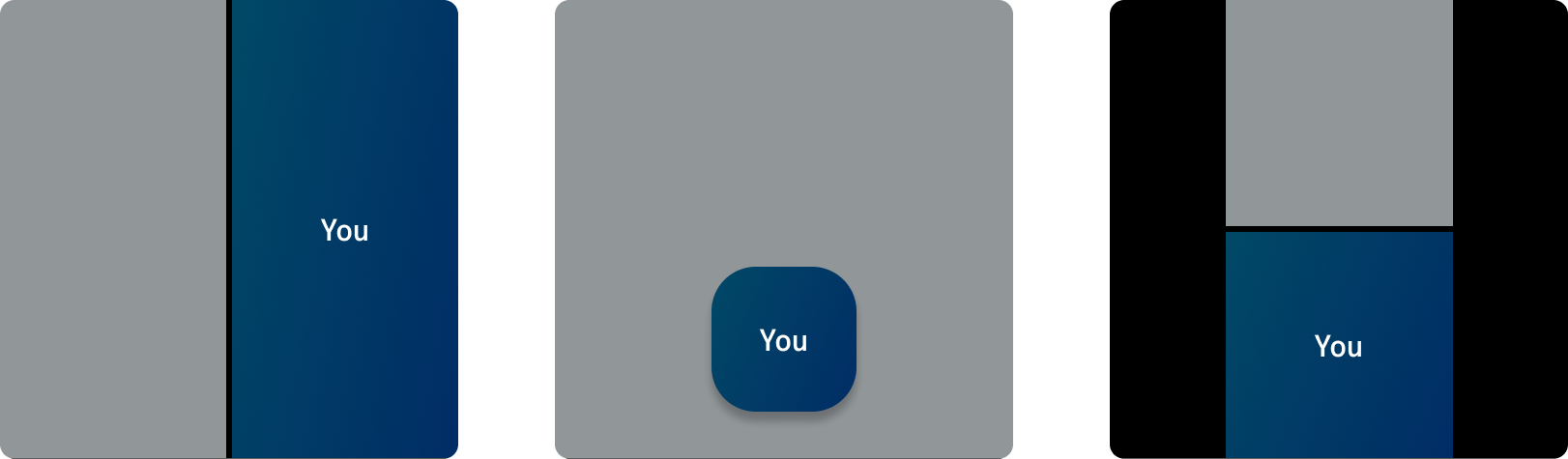
2 person grid explorations
I explored how the video calling grid may look if the 1:1 calling experience was redesigned to fit group calls.
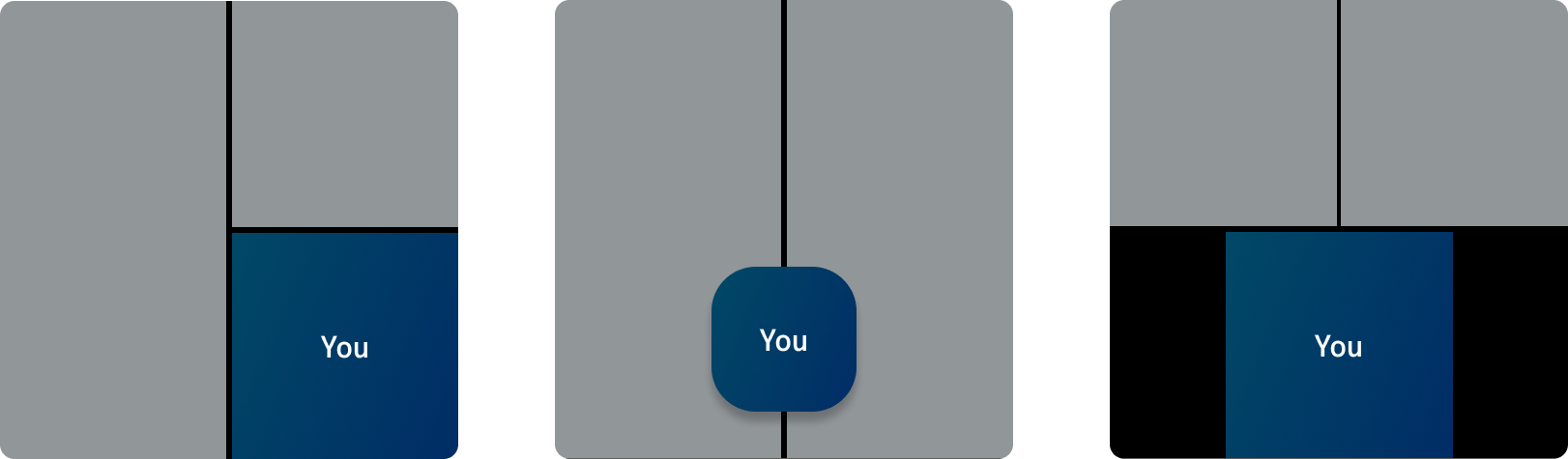
3 person grid explorations
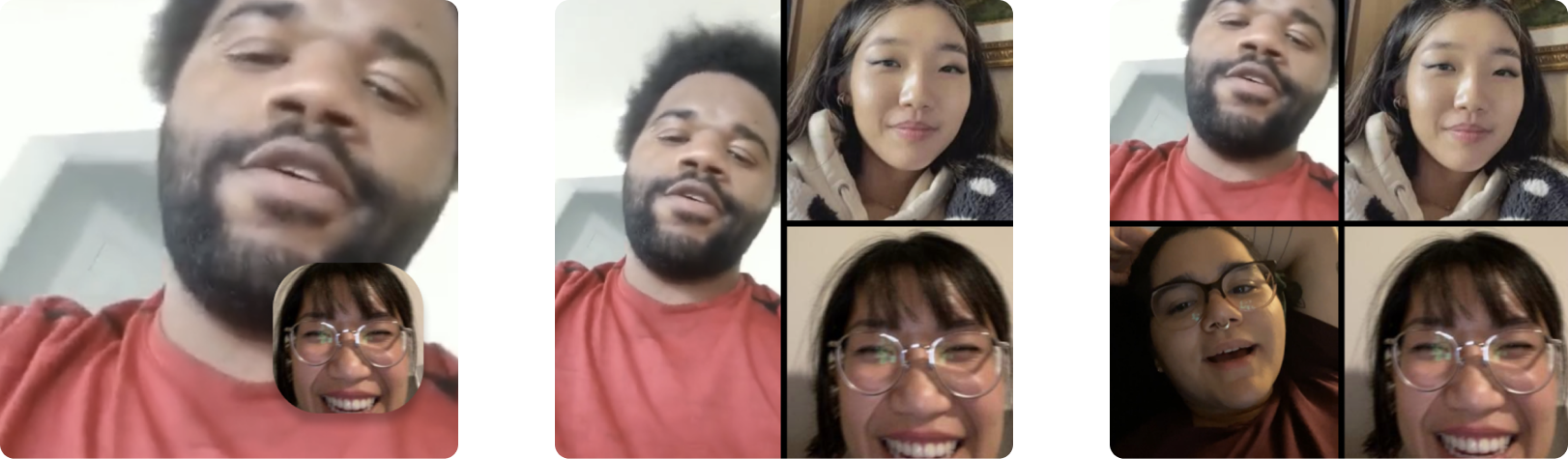
I created various iterations on what the grid might look like for three people on a call. Here, I took inspiration from how Instagram, Facebook, and WhatsApp handled 1:2 calls.
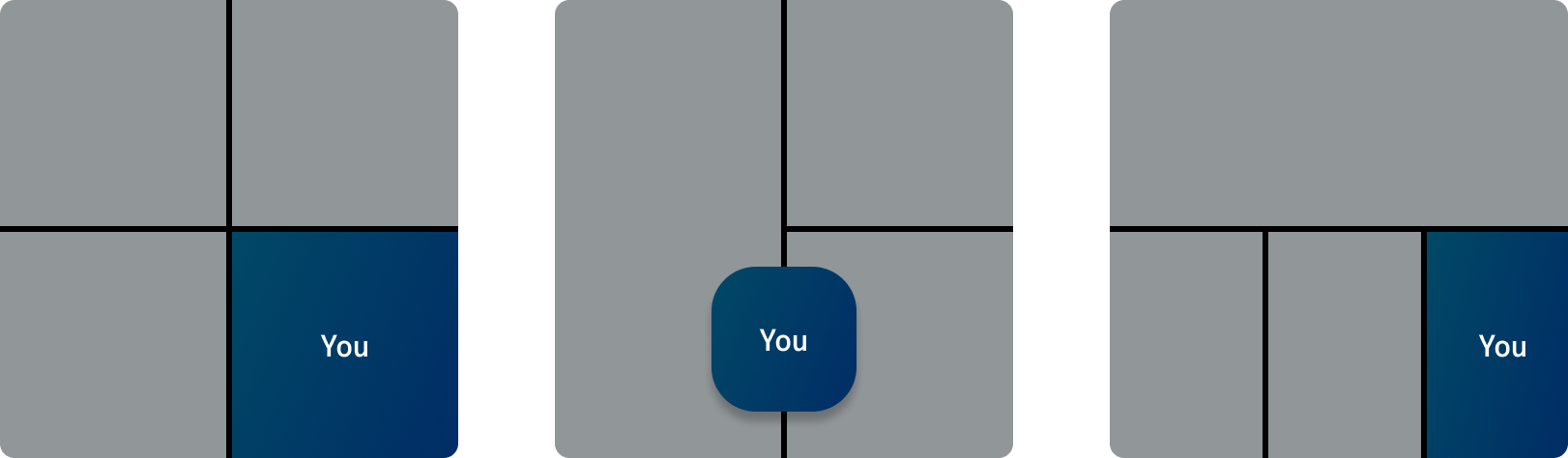
4 person grid explorations
Lastly, I explored what the grid might look like for a 1:3 video call.
Animations
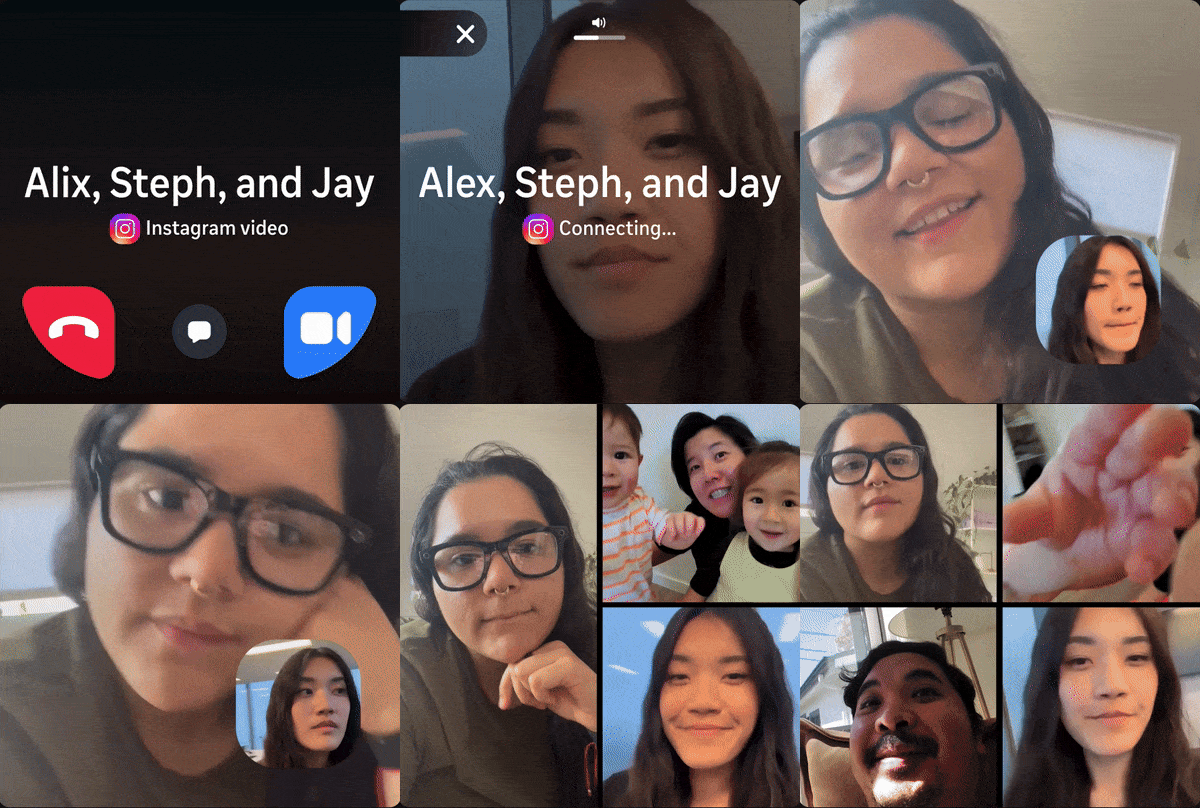
Next, I created a scale-in animation and a slide-in animation to explore how the group calling grid might behave when people joined a video call. My team dot voted on designs that felt most natural, and I moved forward with the left prototype, a scale-in animation.
Narrowing designs
Based on research and data, I learned that most outgoing video calls came from Instagram. To ensure software and hardware cohesiveness, I moved forward with the grids that Instagram built and the designs that maximized the most amount of real estate.
Group video calling on a wearable
Here's group video calling on the wrist, including a scale-in animation when people join the call.
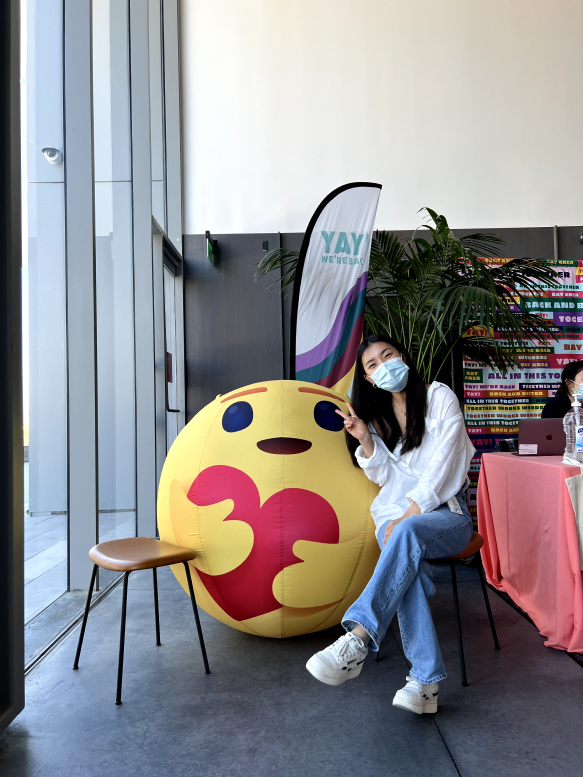
Thank-you to my mentors, cross-functional partners, and my team for an incredible 12-week internship!
I grew stronger and more confident as a designer – I owe it to the brilliant community of innovators, strategists, and creatives that I had the opportunity to work with!